






![The Fishermen Softball team had their work cut out for them against #2 Norton in the Elite 8 and failed to jump back from an early 7-0 deficit. [Photo courtesy of Dawn Enos]](https://thegillnetter.com/wp-content/uploads/2026/06/709166380_10164685011414728_8841526148411460004_n-1200x801.jpg)
![Abby Noble allowed just two hits across seven innings of work, sending Gloucester to their third straight Sweet 16. [Photo courtesy of Dawn Enos]](https://thegillnetter.com/wp-content/uploads/2026/06/689006146_10164619441929728_5207318100033678928_n-2-1200x801.jpg)
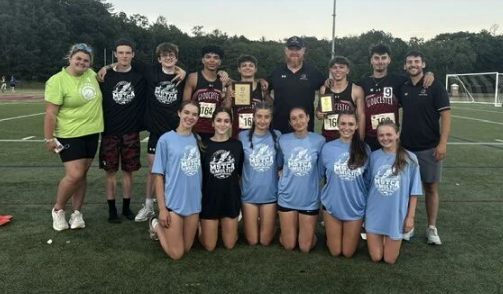
![Boys 4x400m poses with medals from left to right Vincent Mannone, Jefferson do Carmo, Seamus Linehan, Deion Kasera.
[Photo Courtesy of David Coleman]](https://thegillnetter.com/wp-content/uploads/2026/06/IMG_2470-1200x900.jpeg)
![The GHS Softball and Baseball teams are set to enter the playoffs this week, both hosting the Round of 32 on the island.
[Photo Courtesy of Dawn Enos and the MIAA]](https://thegillnetter.com/wp-content/uploads/2026/06/Power-Rankings-1080x1080-1.png)
![The Gloucester DECA chapter poses together after the Grand Award Ceremony. [Photo courtesy of Gloucester DECA]](https://thegillnetter.com/wp-content/uploads/2026/03/IMG_7994-1200x736.jpeg)




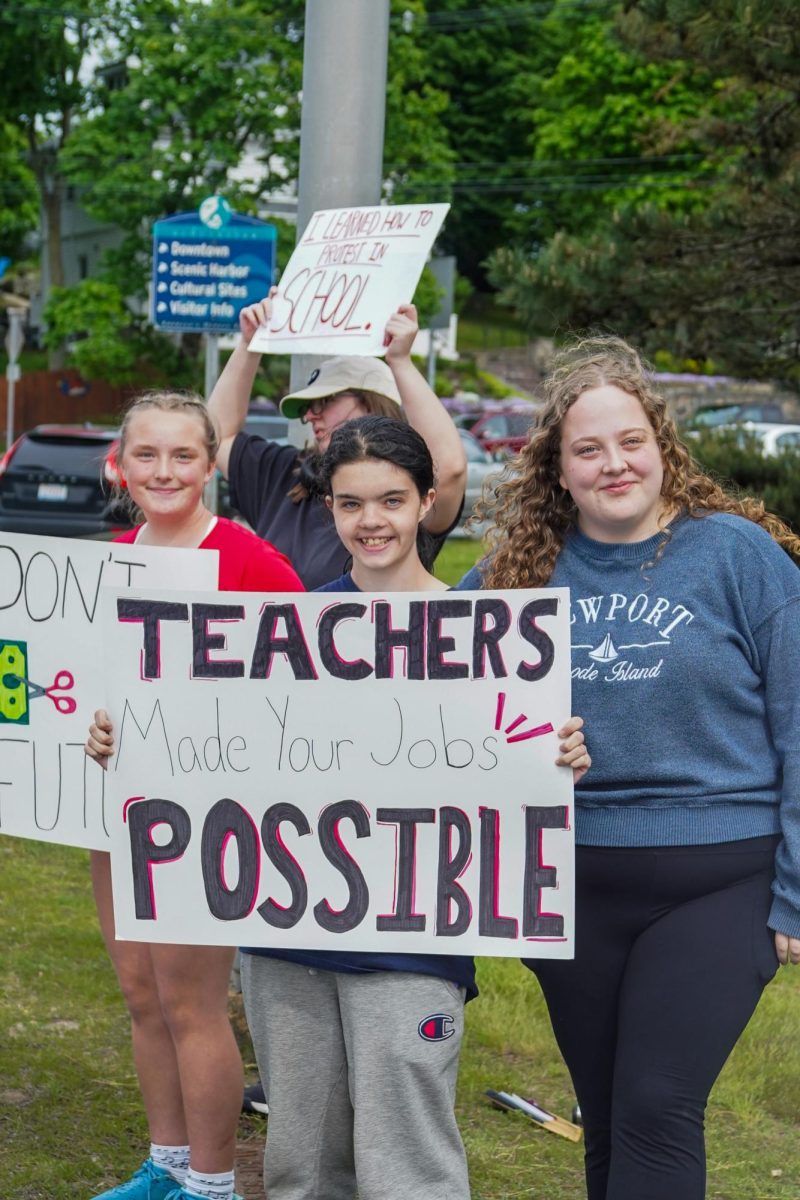
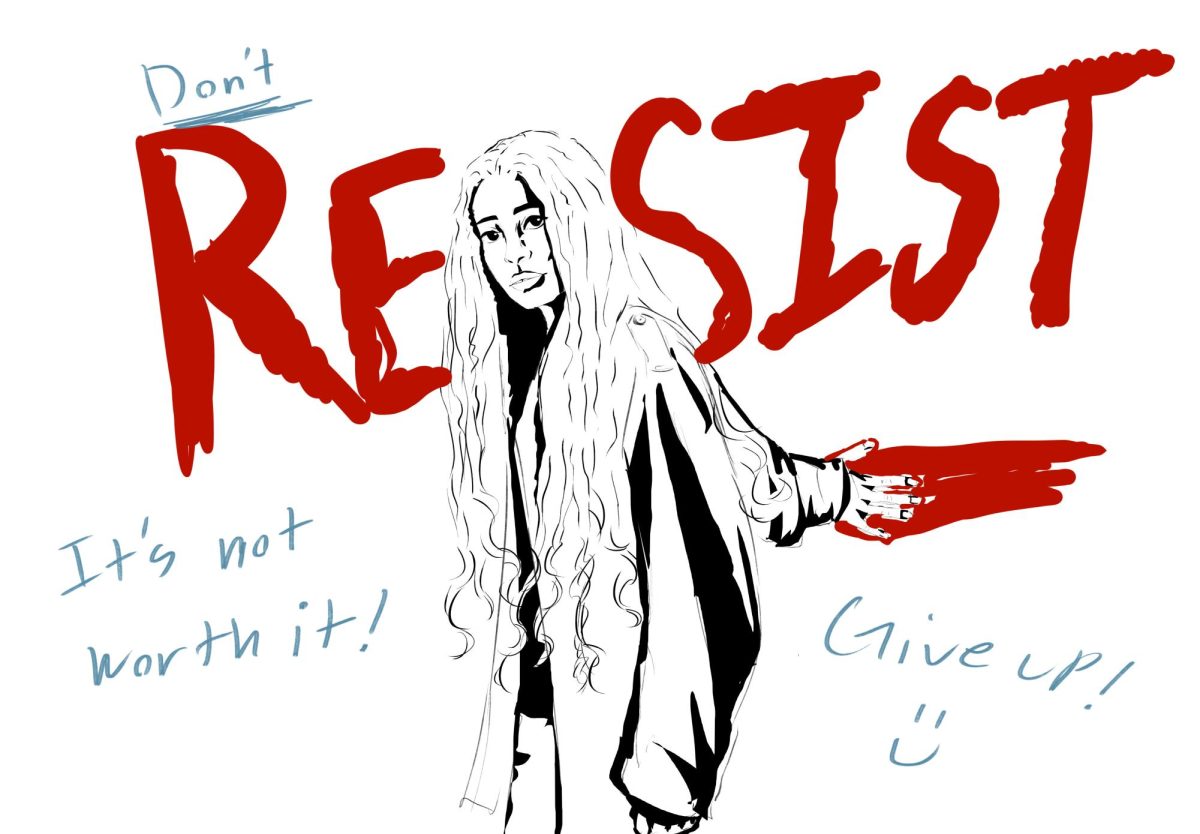




I want to be a screenwriter.
This career is exactly as it sounds: I want to be a writer for the screen. Television. Movies. Anything that involves a script. This is what I want to do, and it is what I have wanted to do for a very long time.
In 2023, the Writer’s Guild of America went on strike to fight for a fairer contract. One of the terms they had to negotiate for was that generative AI “cannot be deemed a “writer”’. It should be noted that the strike went on for five months. The WGA had to fight for this, because streaming companies did not want to agree to these terms. For five months, the industry I wanted to go into was actively under the threat of AI.
The strike did not squash the threat of AI, however. It’s still everywhere. Beyond ChatGPT, social media websites like Instagram and Snapchat have introduced AI features—Meta AI and Snapchat AI, respectively. X has Grok. TikTok is infested with Sora AI generated videos.
GenAI is slowly becoming a part of our new normal in the media landscape, and this is in no way a good thing. Letting GenAI become an increasingly large part of our lives is only going to drive us into the ground as a society.
While people often point to the decline of critical thinking as a case against using GenAI (and believe me—this is still very much a problem which I will get to later) the even bigger issue comes with the environmental impact of using the machine at all.
GenAI needs data centers to run. These data centers contain computers that run generative AI. These computers also train generative AI using billions of parameters that require an enormous amount of electricity, leading to excessive carbon dioxide emissions.
There is also a lot of water used to cool down these computers running GenAI. Think about it like this: When you run The Sims 4 on your years-old laptop, the surface of it can get hot enough to fry an egg. Imagine that, but thousands and thousands of times hotter, and running all of the time on mass amounts of computers. The computers will not be able to run at all unless there is enough water to cool these systems down.
When GenAI cooling towers use water, they evaporate it. With an already decreasing access to clean water, this model is simply not sustainable. GPT-3 “drinks” an estimated 500 mL water bottle every time it outputs a 150-300 word response. Maybe you’re just asking your friend ChatGPT for math answers—but in the process, you’re evaporating 500 mL of clean, drinkable water. Now imagine millions of people doing that multiple times a day on top of using clean water for its regular uses, such as showering and brushing their teeth.
It’s not just dangerous for our planet’s climate—it’s deadly.
Besides the environmental impacts, one of the most concerning side effects of AI is the one happening to our brains.
In June 2025, MIT conducted a study on AI’s effect on our brains. The study divided 18-39 year olds into three groups to write essays on various topics: One group could use ChatGPT, one could use Google, and one did not have any resources at all. The group that used ChatGPT had the lowest brain engagement of the entire experiment. All of their essays lacked original thought, were called “soulless” by English teachers that reviewed them, and by the third essay they were required to write, most ChatGPT users were just plugging the prompt into ChatGPT and having it do all of the work for them.
Though the sample size for this experiment was relatively small (only 54 participants) it does offer some concerning insight into the greater effects of GenAI on our brains. When we have an option for a machine to do our work for us in seconds amidst our busy schedules as high schoolers, it seems like the ideal option. Sometimes you get home late from practice for your sport or a rehearsal for drama club, and you have an important English essay due tomorrow. You’re tired. You’re hungry. You have four other homework assignments for various AP classes that you need to do. Maybe you can have ChatGPT write you an introduction paragraph, just this once.
But it’s never just once. Every time you use ChatGPT as the easy way out of an assignment, you’re destroying your brain’s ability to think for itself. Like the people in the MIT study, as you continue writing essays, you’ll realize that you can just use ChatGPT to write the whole thing—and you’ll do it more often. That feeling of seeing the words generate in seconds while you get your sweet, sweet sleep is addicting.
I get it. I do. We are all busy. We are all tired. Sometimes homework is just too much. But you are sacrificing your ability to think critically in your attempt to avoid doing hard things. Never mind the fact that ChatGPT’s tendency to say exactly what the asker wants to hear at the moment has goaded people into suicide. ChatGPT is not your friend, or your study partner, or your tutor. It’s a soulless language model that generates text based on what it can gather from already-existing information on the Internet.
Some might try to claim that ChatGPT isn’t all the way dangerous or harmful. Since AI is already overtaking our workspaces, we might as well lean into it rather than try and eliminate it altogether. I will admit that completely avoiding AI is difficult. It’s there when you try to search up an account on Instagram. It’s there when you’re just trying to aimlessly scroll through TikTok. It’s there when Grok makes a funny reply on X. No matter how hard we try to avoid it, it’s always there.
But that doesn’t mean we can’t still try to negate its impact. It certainly doesn’t mean we should just lay down and give up.
Using ChatGPT, even just to study, is still harming the environment. Sure, you can say you’re just using it as a tool, and not to cheat. But there are thousands more people saying that with you. They are all plugging those prompts into ChatGPT and having it drink 500 mL of water, use up too much electricity, and even affect the way local peoples’ homes function. Justifying it by saying you’re trying to study isn’t stopping that.
There are plenty of other study tools that people have been using for years before ChatGPT came out. Quizlet flashcards are helpful if you don’t want to make physical flashcards and want something quick to go through—you can also play Quizlet’s various games in order to help you remember. Blooket and Kahoot are good for group study activities that can get competitive and fun. Sparknotes is great for doing English homework (and if you really, really can’t read that English chapter due tomorrow and need a summary, it’s a better alternative to using AI).
If you’re looking for some less well known alternatives, GoConqr has features that allow you to make mind maps and flowcharts as well as flashcards and notes. Evernote is great for syncing your notes across multiple devices. StudyStack has lots of games you can play to help your memory retention.
And this is only scratching the surface. There’s so many other ways you can study and do well in school without using AI. Not only are these better for the environment, they’re better for your brain, too. Instead of having AI do the work for you, you’re improving your critical thinking skills that will be essential to have later in life.
Despite everything—I still want to be a screenwriter. I will do everything to achieve that goal. Even with the threat of AI imposing on my generation, I believe that if we collectively decide to put in the effort to think for ourselves and improve our intelligence, we will be a better society for it. Because, really, what is a few extra minutes spent studying for a cleaner, more intelligent world?